The 5 Relations
The values framework underlying Well4Ward.
Values provide the social code by which an organization defines its operation. The 5 Relations is both a set of values and an ethical framework to inform or test action for its alignment with organizational purpose. The values are a point of shared standards and priorities that are consistent across the organization and provide a common anchor for connection and understanding.
The 5 Relations can be explored in more depth in their original publication.
image credits: Nick Goose
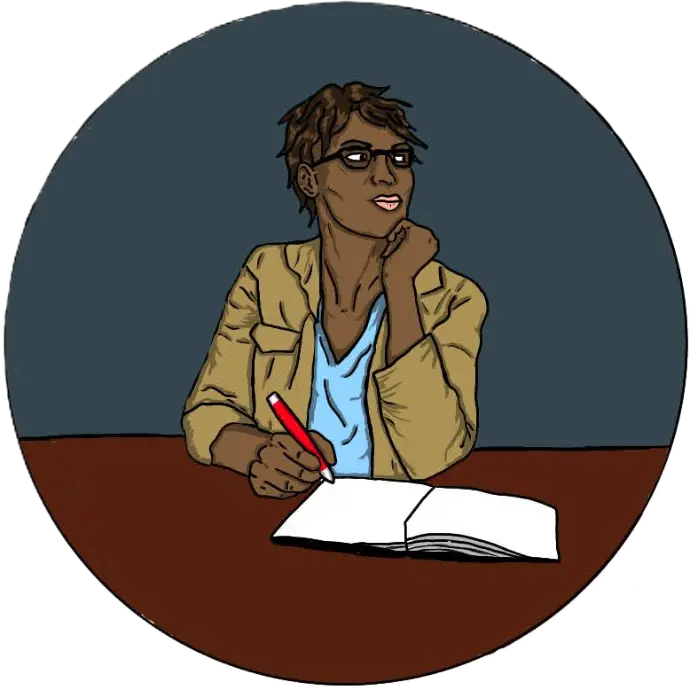
The 1st Relation: Autonomy
Establishment of identity and interrelated parts of self
I am a distinct being with a material body, guided by a conscious mind, and connected spiritually to my inner creativity.
I am responsible for my physical care, mental growth, and spiritual connection to both my inner world and the external environment.
This relationship is rooted in my self-identity and direction. At the core is our essence as individuals. My mind, body, and spirit are uniquely mine, reflecting my will and interactions with the world. My inner landscapes are shaped by my dreams and desires. I define myself.
The first relation shapes my personal experiences of the world. I am responsible for my body, mental well-being, and spiritual connection. This self-care affects my life quality, and only I can take primary responsibility. Understanding my values and limits is key to a healthy, autonomous self.
Knowing myself is a constant relationship guiding every decision and action.
The 2nd Relation: Equality
Balance of non-interference with others & mutuality
We are connected as fellow beings, sharing nearby spaces and times, each guiding our own bodies, minds, and spirits on unique journeys.
As individuals, you and I are equally responsible for respecting each other’s boundaries, thoughts, and spirits. Mutual consent is key to our interactions. As autonomous beings, we coexist in a shared context, relating as individuals in shared space and time, each bringing our own perspectives and experiences.
Interactions form relationships, and dominance disrupts autonomy and integrity. These violations enhance one’s experience at another’s expense, creating imbalances. To share space without domination, we must recognize others as equals, respecting autonomy and individuality.
The second relation connects us as individuals. Engage with mutual consent and care for each other’s well-being without compromising self-care and personal boundaries.
In mutual relationships, we’re responsible to ourselves and each other, fostering environments where everyone can thrive.

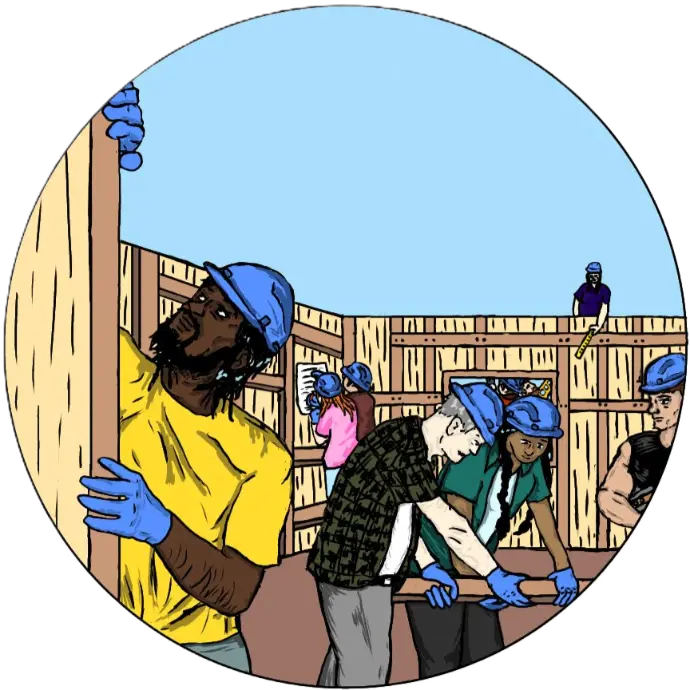
The 3rd Relation: Community
Balance of equality between internal self & external Selves
You and I, along with others, are joint occupants of space and time, sharing conscious thoughts and spiritual connections. My presence influences our shared environment, and we bear the responsibility for caring for it wisely.
Beyond our direct relationship, we exist within a broader community of equals, sharing a common realm that shapes our experiences. Our actions can impact others, even indirectly, contributing to a mental and spiritual landscape.
Finding balance in equality is essential—caring for ourselves and those we affect ensures harmony. This shared community landscape thrives on our contributions, enhancing everyone’s ability to live well and support each other.
The third relation defines our indirect interactions and impacts, grounding us in our communities. Equality is deepened here; individuals are equals to each other and the community. No one can dominate without harming autonomy, and the balance of equality extends to the entire community.
In community we are inherently equal, sharing a common landscape, fostering a sense of interconnectedness and mutual respect.
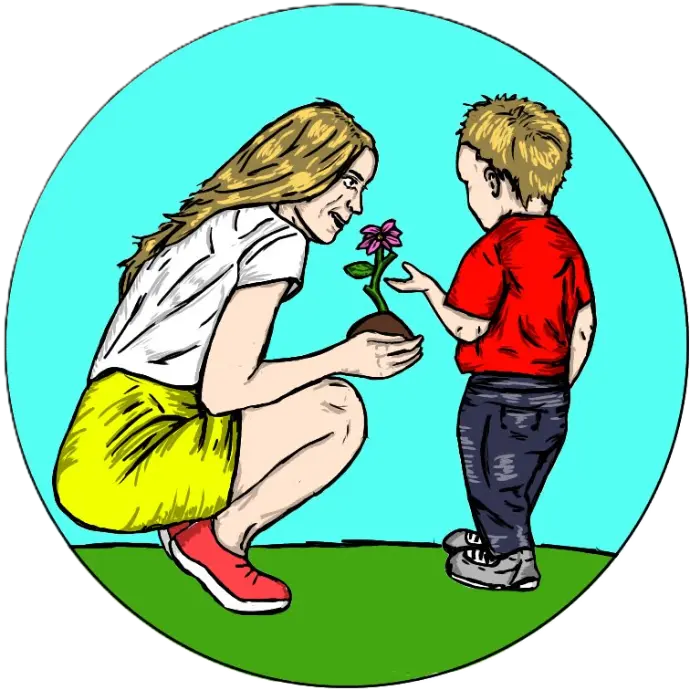
The 4th Relation: Sustainability
Balance of equality between past, present and future
We inherited the present from our ancestors and are the present caretakers of the physical, social, and spiritual landscapes that future generations will inherit. Our responsibility extends across time, connecting us to the past, present, and future. This temporal relationship is vital as it ensures the continuity of wisdom, care, and growth.
By learning from our elders, we gain insights that help us navigate the present while preparing for the future. Their wisdom enriches our understanding and strengthens our community bonds. Listening and supporting their well-being is a responsibility we embrace, as we hope for the same care in our own future.
Nurturing children is equally crucial. As they grow, they lack the knowledge and ability to care for themselves or others. It falls upon us to guide, teach, and model behaviors that will help them become autonomous beings capable of sustaining this temporal connection.
The fourth relation anchors us in time. Our actions today are shaped by the choices of our ancestors and will, in turn, shape the world for those who come after us. This cyclical nature of life emphasizes the importance of each generation’s role in maintaining balance and harmony across time.
By embracing this temporal relationship, we draw from the past, live fully in the present, and nurture the future. This connection anchors us, reminding us of our shared responsibility to sustain the well-being of all generations.
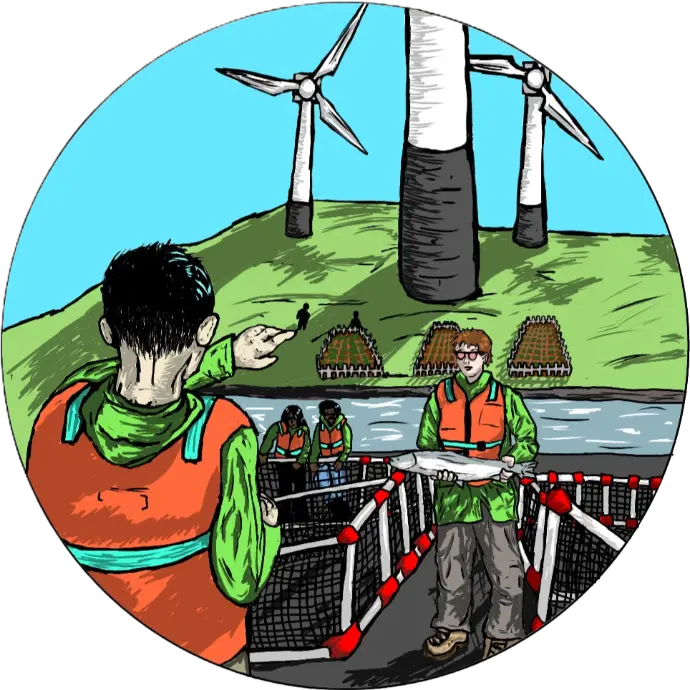
The 5th Relation: Stewardry
Establishment of identity and interrelated parts of self
In our shared world, each of us plays a unique role within a physical, social, and spiritual environment. Our actions shape this environment, which is our collective inheritance. We must balance personal care with respect for others and the shared space we rely on for our needs.
We are responsible for interacting with our environment thoughtfully. This means caring for ourselves, allowing others to do the same, and nurturing the physical and social spaces we depend on. Our actions today impact both current and future generations.
The world around us, existing long before us and will remain regardless of our fate. It is crucial for our survival and requires a two way relation of mutual care. This involves maintaining a respectful and sustainable relationship with the resources we depend on, giving and taking in turn.
The fifth relation highlights our place in the ecosystem. While we have the right to use resources, we also have a duty to repair past damages, use resources wisely, and protect the land for the future. This balance is essential for equality and sustainability. Ignoring this responsibility harms everyone. It leads to competition and domination, destabilizing communities and threatening future generations.
Caring for the land is a shared duty, crucial for the well-being of individuals, communities, and all of existence.
Do these values resonate with you?
Let's connect so we can share with you what we are building, for the benefit of ourselves, each other, our communities, future generations, and the land itself. Whether you want to be part of building this system directly, or be part of the library network once we launch for beta testing, there's a place for you here.